Denver’s Ultimate List of Jamaican Food Favorites
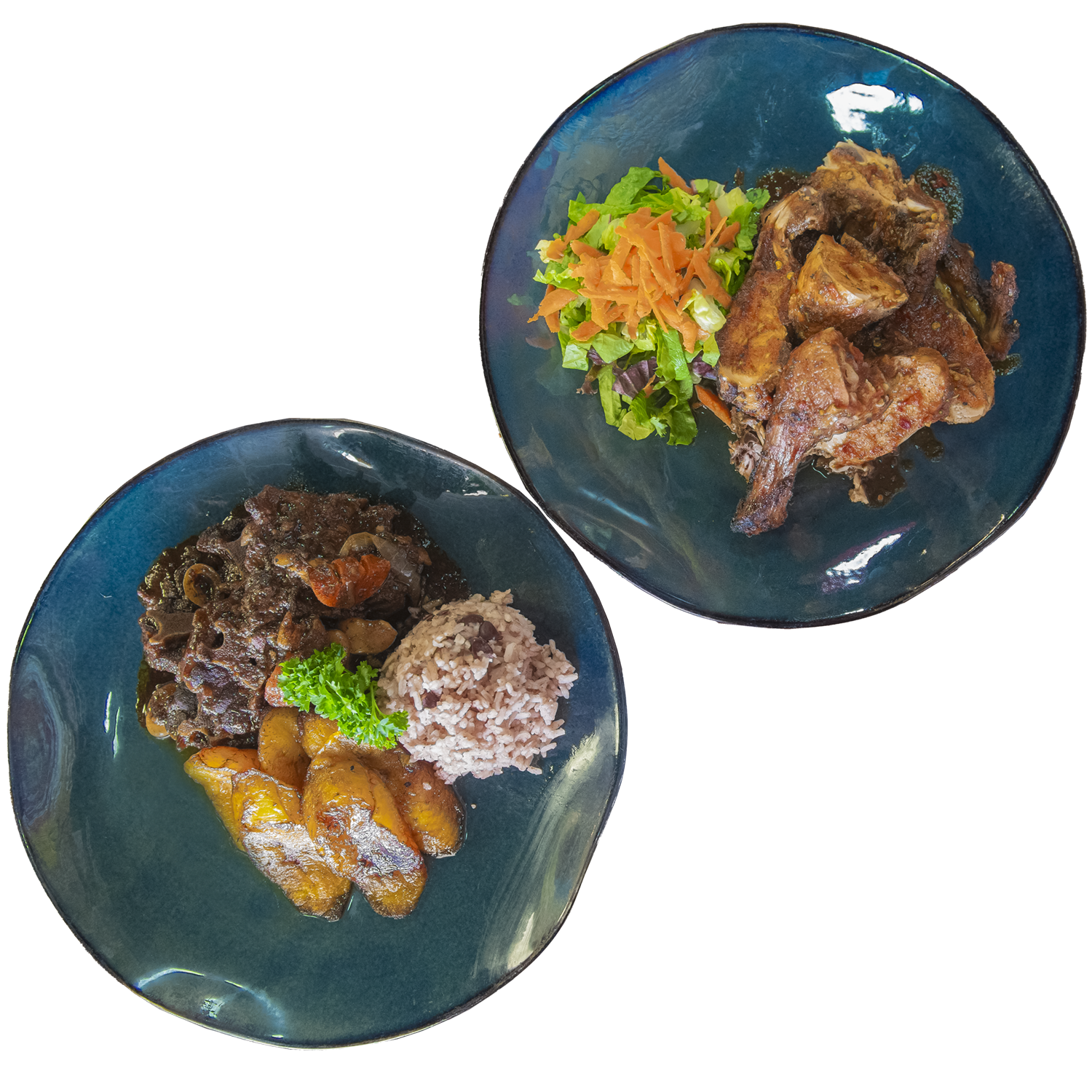
Denver has become a city where regional food scenes can take root, adapt, and earn loyal followings without losing their identity. Jamaican cooking fits that pattern especially well. It is bold, deeply seasoned, and built on slow-developed flavor, which makes it memorable in a city where diners reward food that feels both comforting and distinctive. When people search for jamaican food denver, they are often looking for more than a plate of something spicy. They want the real markers of the cuisine, the dishes that define it, and the details that separate a casual version from one made with confidence and care.
That matters because Jamaican food is easy to misunderstand from a distance. A lot of first-time diners assume it begins and ends with jerk chicken. Jerk is important, absolutely, but it is only one part of a much broader tradition shaped by African, Indigenous, Indian, Chinese, and British influences. The food carries smoke, heat, sweetness, starch, aromatics, and long simmered depth all at once. At its best, it is layered rather than loud.
In Denver, that complexity is part of the appeal. The city has an appetite for dishes that feel handmade, for meals where rice, peas, gravy, and protein each pull their weight. Jamaican cuisine delivers on that. It is also a style of food that can satisfy in very different moods. A lunch plate can be quick and filling. A dinner built around oxtail, curry goat, and a side of festival can feel like an event.
If you are trying to understand the Jamaican food landscape in Denver, the smartest place to start is with the dishes themselves. Favorites reveal more than menus do. They show what diners return for, what kitchens take pride in, and what flavors translate beautifully across neighborhoods, seasons, and appetites.
Why Jamaican food works so well in Denver
Some cuisines shine brightest in coastal cities. Jamaican food happens to travel well inland because its strengths are not delicate. It does not depend on split-second freshness or elaborate plating. It depends on seasoning, technique, patience, and balance. Those qualities survive delivery, hold up during busy service, and satisfy during cold weather, which is no small advantage in Denver.
https://anotepad.com/notes/f95b3hhpThere is also something about the altitude and climate that changes what people crave. Denver diners often lean toward food with warmth and weight, especially in the evening. Rice and peas, braised meats, rich gravies, and fried plantains fit that appetite naturally. Even the hotter elements, such as Scotch bonnet driven jerk seasoning, are usually framed by sweetness, starch, or smoke, so the meal feels rounded rather than punishing.
The city’s dining habits help too. Denver supports casual spots that become neighborhood institutions, places where regulars know exactly what they want and newcomers can still be guided toward a reliable plate. Jamaican restaurants tend to thrive in that kind of environment because the cuisine rewards repeat visits. The first time you order jerk chicken. The second time you notice the cabbage. By the third visit you are there specifically for curry goat, extra sauce, and a beef patty on the side.
Jerk chicken, the standard everyone notices first
Any conversation about Jamaican favorites has to start with jerk chicken, but not because it is trendy or obvious. It is the dish most likely to reveal whether a kitchen understands restraint and intensity at the same time.
Good jerk chicken should smell like a charcoal fire and warm spices before you even take a bite. The flavor is not just heat. It should carry allspice, thyme, scallion, garlic, ginger, and some edge from Scotch bonnet peppers. In weaker versions, the seasoning tastes like a generic spicy marinade laid over chicken. In strong versions, the spice blend seems to live inside the meat, with smoke and char creating contrast around it.
In Denver, where live-fire cooking and grilled meats already have an audience, jerk chicken often becomes the entry point for people who are new to Jamaican food. That makes sense. It is accessible and dramatic, but it also sets a trap. Diners sometimes judge the whole cuisine based on the hottest bite. That misses the point. A proper jerk plate should have rhythm. The rice and peas soften the heat, the cabbage adds freshness, and a little gravy or sauce brings everything together.
A strong jerk plate also shows discipline in texture. The exterior should have char without turning bitter. The meat should stay juicy. That sounds basic, but it is where a lot of restaurants lose control, especially during a rush. Chicken that sits too long after grilling dries out fast in Colorado’s dry climate. When you find a spot in Denver that keeps jerk chicken moist, fragrant, and balanced, it is usually a sign the rest of the menu deserves attention too.
Oxtail, the dish serious regulars come back for
If jerk chicken is the ambassador, oxtail is often the true test of commitment. It is not a shortcut dish. It takes time, labor, and confidence. It also tends to attract diners who know exactly what they are looking for.
A proper oxtail plate should be rich without becoming greasy. The meat should surrender easily, but not collapse into mush. The gravy matters just as much as the meat. It should be dark, glossy, and full of concentrated beef flavor, with enough spice and aromatics to keep each bite from feeling heavy. Butter beans often enter the picture here, and when they do, they should absorb the sauce rather than sit beside it like an afterthought.
Denver diners who discover Jamaican oxtail often become unusually loyal to it. Part of that is value. Even when the price runs higher than chicken plates, the dish feels substantial and special. Part of it is seasonal. On a cool evening, there are few meals as satisfying as tender oxtail over rice and peas with gravy soaking into every corner of the plate.
There is a practical detail worth noting if you are ordering oxtail in Denver. Because it is a labor-intensive dish and demand can be uneven, it is often one of the first items to sell out at smaller operations. If a restaurant warns that oxtail goes fast, believe them. In my experience, that is usually a good sign rather than a bad one. It suggests the kitchen is making a limited amount properly instead of stretching it beyond reason.
Curry goat, earthy, fragrant, and easy to underrate
Curry goat is one of the most satisfying dishes in Jamaican cooking, yet it often sits just behind jerk and oxtail in public attention. That is a mistake. A well-made curry goat has a depth that lingers long after the meal ends.
The key is understanding that Jamaican curry is its own thing. It is not interchangeable with Indian curry or Thai curry, even though there are historical links in spice use and migration. Jamaican curry tends to be earthy, savory, and aromatic, often with turmeric-forward color, pimento notes, garlic, onion, and a measured pepper heat. Goat, when handled well, brings a clean gamy quality that stands up beautifully to the spice blend.
For Denver diners, curry goat can become the dish that converts curiosity into respect. It asks a bit more from the eater than chicken does, but it rewards that attention. The meat should be tender and infused with seasoning all the way through. Potatoes, if included, should take on flavor rather than dilute it. The sauce should cling rather than pool.
What separates a strong curry goat from a forgettable one is often the aftertaste. Good versions finish warm and savory, with spice still present but not harsh. Lesser versions can taste flat, dusty, or overly salty. If you are surveying the jamaican food denver scene with a serious appetite, curry goat is one of the clearest ways to tell who is cooking with intention.
Rice and peas are not a side issue
One of the easiest mistakes diners make is treating rice and peas as filler. In Jamaican food, they are structure. They steady the meal, absorb gravy, and carry flavor in their own right.
Despite the name, the peas are usually beans, commonly kidney beans, simmered with the rice in coconut milk and seasoned with thyme, scallion, and other aromatics. Good rice and peas should be distinct and fluffy, not wet or clumped. The coconut should be present, but not sweet in a dessert-like way. The seasoning should support the rest of the plate, not compete with it.
This matters in Denver because side dishes often reveal whether a restaurant is assembling food or truly cooking it. A kitchen can produce a passable jerk chicken and still fail on the basics if the rice is bland. By contrast, when the rice and peas are fragrant and properly textured, it usually signals care across the board.
The same goes for steamed cabbage. In many Jamaican meals, cabbage is the quiet counterweight that makes the plate make sense. It brings lightness, a bit of crunch or softness depending on preparation, and enough sweetness to soften spice. A diner focused only on the protein can miss how essential these supporting pieces are.
Beef patties, the quick order that says a lot
Not every Jamaican favorite arrives as a full plate. Beef patties carry their own kind of authority. They are practical, portable, and deceptively revealing.
A proper patty should have a crust with color and tenderness, often tinted golden from turmeric or curry powder. The filling should be seasoned assertively, with enough moisture to stay rich without turning pasty. The spice level can vary, but even mild versions should not taste timid. A bland patty is hard to forgive because there is nowhere for weak seasoning to hide.
In Denver, beef patties often work as an introduction for hesitant diners and a comfort order for everyone else. They fit lunch, late afternoon hunger, and the impulse to add “just one more thing” to a larger meal. They also travel better than many fried snacks, which makes them popular for takeout.
Some people love them on their own. Others split them open and build a fuller meal around them. Either approach works. What matters is that the patty feels intentional, not like a freezer item heated as an afterthought. The best ones have a little crumb, a little flake, and a filling that hits immediately with onion, beef, spice, and savory depth.
Plantains, festival, and the sweet side of balance
Jamaican food is often described through heat and smoke, but the cuisine is just as much about sweetness used intelligently. That is where ripe plantains and festival earn their place among the favorites.
Fried plantains, when they are at the right ripeness, deliver caramelized edges and a soft center that plays beautifully against peppery meats. They should be sweet, but not candied. Burnt plantains taste bitter. Underripe ones can be starchy and dull. There is a narrow window where they become something special, and experienced cooks know how to catch it.
Festival deserves more attention than it usually gets in casual conversation. This slightly sweet fried dough, often elongated and crisp outside with a tender interior, has a way of making a spicy plate feel complete. It is excellent with jerk because it catches drippings and offers relief without muting flavor. In practical terms, it is one of the easiest ways for a restaurant to turn a meal from satisfying to memorable.
Denver diners who are newer to Jamaican cuisine sometimes skip these sweeter sides because they seem optional. They are not mandatory, but they do reveal the cuisine’s broader logic. Jamaican food is not built around one-note intensity. It is constantly balancing fire with sweetness, tenderness with char, richness with starch.
Escovitch and the brighter side of the menu
While many Jamaican favorites are hearty, there is another lane worth seeking out, especially if you want contrast. Escovitch fish brings acid, crunch, and sharpness into the picture.
The dish usually involves fried fish topped with a pickled mixture of onions, carrots, and peppers. When done well, it cuts through richness and wakes up the palate. The fish should stay crisp enough to stand under the escovitch topping, and the vegetables should retain some bite. If the pickling liquid is too aggressive, it overwhelms the fish. If it is too weak, the dish loses its character.
Escovitch tends to resonate with diners who want something lighter without giving up flavor. In Denver, where many people alternate between indulgent comfort food and cleaner weekday eating, that can make it a smart order. It is still a substantial dish, but it feels brighter and sharper than braised meats or heavily sauced plates.
When available, this is often one of the menu items that demonstrates range. It proves the kitchen is not relying solely on jerk seasoning or rich gravies to carry the meal.
The role of heat, and why hotter is not always better
People often approach Jamaican food as a challenge, especially if they have heard warnings about Scotch bonnet peppers. That mindset can flatten the experience. Heat is part of the cuisine, but it should not be the whole story.
Scotch bonnet peppers bring more than fire. They have fruitiness and aroma, which is why they matter in jerk marinades, sauces, and stews. When cooks use them well, the heat blooms and recedes. When they use them carelessly, the meal becomes exhausting.
In Denver, where diners range from spice fanatics to cautious newcomers, the better Jamaican kitchens usually know how to build flexibility into the experience. That might mean serving sauce on the side or calibrating heat so regulars can still taste the allspice, thyme, and smoke underneath. If you are ordering for a mixed group, that balance matters. A memorable Jamaican meal should leave you wanting another bite, not reaching for damage control.
What to notice when you are judging a Jamaican spot in Denver
A lot of diners focus on portion size first. Jamaican restaurants often serve generous plates, so that instinct is understandable. But if you want to separate a decent meal from a standout one, pay attention to smaller signals.
Look at whether the gravy tastes cooked or poured. Notice if the cabbage has life. Smell the jerk before tasting it. See whether the rice and peas seem integrated or generic. Ask yourself if the sweet elements, whether plantains or festival, are doing real work on the plate. Those details tell you more than a massive serving ever will.
Denver’s food culture can sometimes reward novelty over craft, but Jamaican food resists that trend. It is at its best when it feels grounded. The favorites become favorites because they are repeatable, not because they are flashy. You remember the oxtail gravy that soaked into the rice, the jerk with actual smoke behind it, the curry goat that tasted fully developed rather than rushed. Those are the meals that create regulars.
Ordering well for your first serious Jamaican meal
If you are new to the cuisine and want the fullest picture, it helps to think in terms of contrast. Order one smoked item and one braised item if you are sharing. Add a starch that can absorb sauce. Include something sweet, even if just plantains, to round out the sharper and hotter notes. That approach tells you more about a kitchen than doubling up on similar proteins.
For solo diners, the easiest route is usually a jerk chicken plate if you want a benchmark, or oxtail if you want the dish that often inspires the most devotion. Curry goat is ideal if you appreciate spice blends and long-simmered meats. Beef patties make sense as an add-on, especially at lunch or when you want a quick read on seasoning and pastry quality.
One practical note for Denver specifically, takeout can be excellent with Jamaican food, but timing matters. Fried items are best eaten quickly. Braised dishes travel beautifully. Jerk chicken can go either way depending on how long it sits in a closed container. If you are ordering for home, venting the package briefly can help preserve texture.
Why these favorites endure
Food trends come and go in Denver, but the dishes that last usually satisfy on more than one level. They taste good immediately, of course, but they also feel rooted. Jamaican favorites have that quality. They are built from methods that reward patience, from seasoning traditions with history behind them, and from combinations that make practical as well as culinary sense.
That is why the search for jamaican food denver keeps leading people back to the same core dishes. Jerk chicken offers smoke, spice, and familiarity. Oxtail brings richness and occasion. Curry goat delivers complexity. Rice and peas anchor the meal. Patties, plantains, festival, and escovitch fill in the edges that make the cuisine whole rather than partial.
The real pleasure of eating Jamaican food in Denver is not simply checking off famous dishes. It is learning how the pieces fit together. Once you understand that, you stop ordering randomly. You start noticing where the smoke is deeper, where the gravy is better, where the sides are treated with respect, and where the kitchen seems to cook from habit in the best sense of that word.
That is when favorites become personal. One diner lives for jerk with extra sauce. Another waits all week for oxtail. Someone else wants a beef patty and a cold drink at midday, nothing more. Jamaican food allows for all of that. It can be celebratory, restorative, quick, indulgent, or quietly dependable.
And in a city like Denver, where diners reward food with character, that is exactly why it keeps finding a loyal audience.
Reggae Pot Jamaican Grill
Address: 2243 S Monaco St Pkwy #104, Denver, CO 80222
Phone number: +17204102956
FAQ About Jamaican Food Denver
What is typical Jamaican food?
Typical Jamaican food features bold, vibrant flavors created by blending African, Taino, European, and Asian influences.
What is a famous Jamaican dish?
Ackee and saltfish is Jamaica's national dish, made by sautéing the soft local ackee fruit with salted cod, onions, tomatoes, and spicy Scotch bonnet peppers.
What food is most popular in Jamaica?
The most popular and famous food in Jamaica is Jerk Chicken, celebrated worldwide for its smoky, spicy flavor.