What Makes Southern Restaurant Pittsburgh, PA a Local Favorite
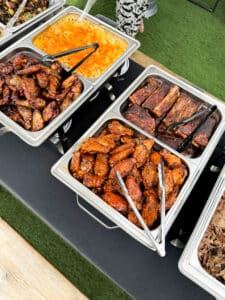
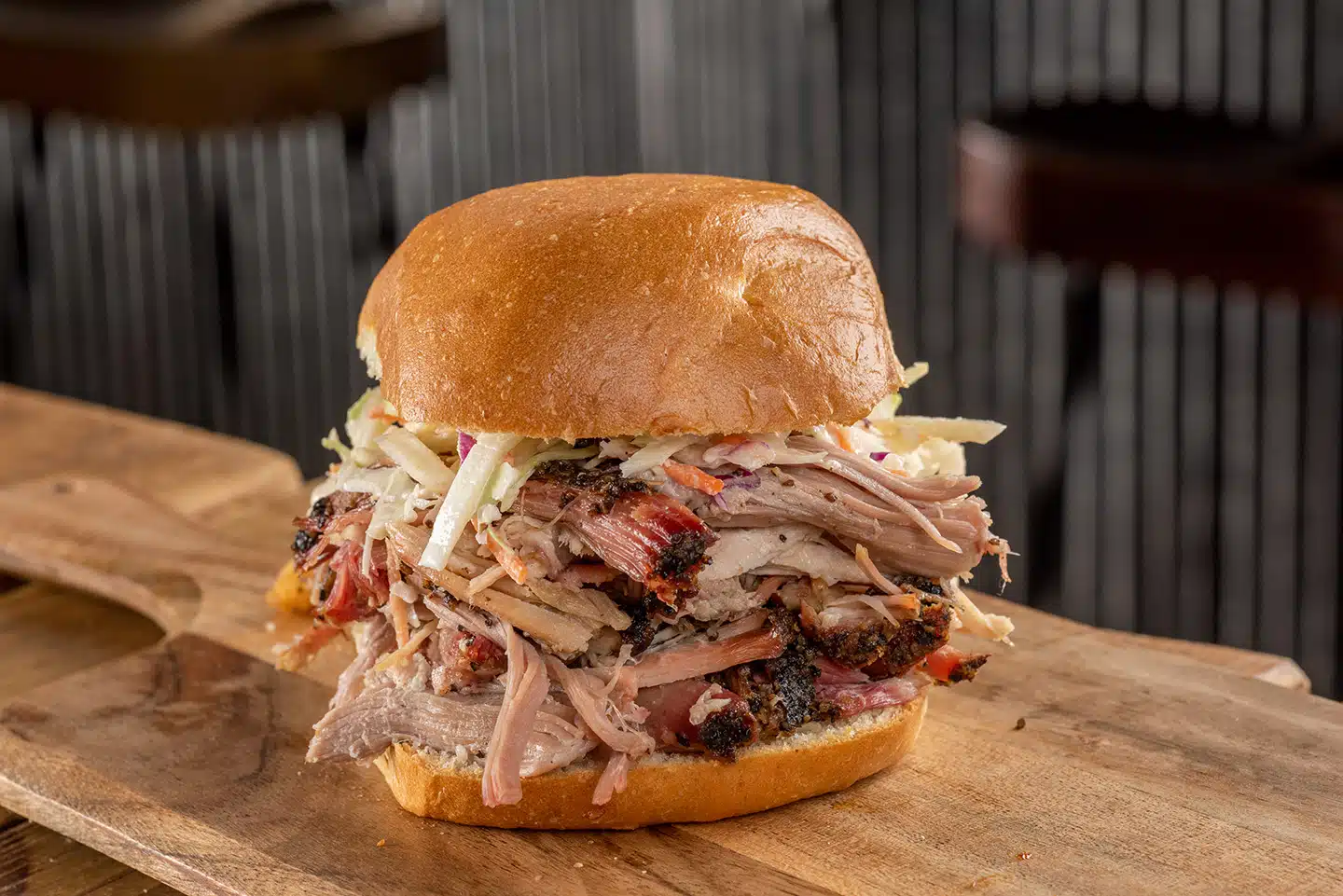
Pittsburgh is not short on opinions about food. This is a city that knows comfort, values hard work, and tends to reward places that deliver the same quality on a cold Tuesday night that they do on a busy Saturday. That is part of the reason a great southern restaurant Pittsburgh, PA diners return to again and again tends to stand out quickly. It is not enough to borrow a few familiar dishes from the South and call it a concept. Locals can tell the difference between a place built around real cooking and one built around a trend.
When a Southern restaurant becomes a true local favorite in Pittsburgh, it usually happens because it gets several things right at the same time. The food has to be deeply satisfying. The hospitality has to feel genuine. The portions, pricing, and pace of service have to match the expectations of the neighborhood. Most important, the restaurant has to understand where it is. Pittsburgh is a city with strong regional identity, practical diners, and a climate that makes rich, soulful food especially welcome for much of the year.
That combination creates a high bar, but it also creates opportunity. Southern food, when handled with care, fits Pittsburgh better than many owners first realize.
Comfort food means something different when it is done well
People often flatten Southern cooking into https://penzu.com/p/a7df7d6d0e91b560 shorthand. Fried chicken. Mac and cheese. Biscuits. Sweet tea. Those dishes matter, but they are only the visible layer. What keeps people loyal is depth of flavor and consistency of execution.
A local favorite does not lean only on nostalgia or indulgence. It understands balance. A plate of crispy chicken needs a crust that stays intact, seasoning that reaches beyond the breading, and meat that stays moist. Shrimp and grits need actual contrast, creamy grains against a bright sauce, savory stock, maybe a little smoke or heat. Greens should taste like they have spent time in the pot, not like an afterthought dropped on the menu to satisfy expectations.
Pittsburgh diners notice those details. In a city where hearty portions are easy to find, craftsmanship becomes the separating line. A restaurant can serve a big plate and still lose people if everything tastes one-note. By contrast, a bowl of gumbo with real body, a biscuit with a delicate crumb instead of a dry center, or candied yams that avoid cloying sweetness can create the kind of loyalty that money cannot buy through advertising.
This is especially true in colder months. For much of the year, Pittsburgh weather invites food that feels restorative. Not just filling, but warming. That is where Southern cooking has a natural advantage. Braised meats, slow-simmered beans, rich gravies, cornbread straight from the oven, and desserts served warm all make sense here. They answer a real seasonal appetite.
Hospitality is not a slogan, it is part of the product
Many restaurant owners talk about hospitality as if it begins and ends with friendliness. In practice, guests experience it in much more concrete ways. Were they greeted promptly. Was the server able to explain the menu without sounding scripted. Did someone check back at the right time, rather than interrupting every two minutes or disappearing entirely. Was takeout packed carefully. Were dietary questions handled with patience instead of annoyance.
Southern dining traditions have long treated hospitality as inseparable from the meal itself. In Pittsburgh, where regulars can become the backbone of a business, that approach matters even more. A local favorite tends to remember names, habits, and timing. It knows which guests want to linger over brunch and which need lunch served efficiently between meetings. It notices when a family needs an extra plate for sharing or when an older guest would appreciate a quieter table.
None of this requires formal service. In fact, many of the most beloved places in the city are casual. But there is a difference between casual and careless. Warmth works best when it is supported by competence.
I have seen this play out in all kinds of restaurants, not just Southern ones. Guests forgive a small wait if they feel looked after. They are less forgiving when they sense confusion, indifference, or inconsistency. In a category built on comfort, that emotional piece carries unusual weight. People come in wanting to feel relaxed, fed, and welcome. If the room feels tense or disorganized, the food has to work twice as hard.
The menu needs familiar anchors and a point of view
One of the easiest mistakes in this genre is overexplaining the food or overcomplicating it. A strong Southern menu in Pittsburgh usually succeeds by giving guests enough familiarity to feel comfortable, then enough personality to make the place memorable.
That might mean classic fried catfish served with a house remoulade that has real brightness. It might mean pimento cheese that is actually sharp and textured, not whipped into blandness. It might mean hot honey on a biscuit sandwich, smoked turkey folded into collard greens, or cornbread that arrives in a cast iron skillet with a deeply browned edge.
The key is restraint. Diners should be able to recognize the dish before they admire the twist. If every item sounds like a culinary exercise, people may visit once out of curiosity and never return. But if the menu is too generic, the restaurant fades into the background.
A local favorite often has a few dishes that regulars discuss the way sports fans talk about a reliable veteran player. Not flashy every night, but always capable of delivering. Maybe it is the chicken and waffles at brunch, where the waffle stays crisp and the syrup does not drown the plate. Maybe it is the smothered pork chop, the banana pudding, or a side of baked mac and cheese that somehow tastes even better reheated the next day. Signature items matter because they create memory. They give guests a reason to bring someone else back and say, “You need to try this.”
Pittsburgh appreciates value, but value is not the same as cheap
Restaurants sometimes misunderstand value in a practical city like Pittsburgh. Diners here do not necessarily demand the lowest price. What they want is a clear relationship between what they spend and what they receive.
A Southern restaurant can win loyalty by getting this equation right. Portions should feel fair. Sides should not seem like fillers. Proteins should look and taste like the main event, not like a photograph waiting to happen. If the restaurant charges more than a classic diner or neighborhood bar, guests need to feel that jump in the quality of ingredients, technique, service, or atmosphere.
This becomes especially important at brunch, where Southern restaurants often draw mixed groups, families, students, couples, and out-of-town guests. If one person orders chicken and biscuits, another gets shrimp and grits, and a third sticks to coffee and a side, the whole table still wants to leave feeling that the meal made sense financially.
Value also shows up in less obvious places. Refillable coffee handled well. Thoughtful kids' options. Takeout containers that keep fried food from steaming itself soggy on the ride home. A cocktail list that offers both a strong house old fashioned and a simple beer-and-shot path for guests who do not want to overthink it. These details shape a restaurant’s reputation as much as the entrées do.
The room has to feel lived in, not manufactured
There is a kind of restaurant design that photographs well and wears thin fast. Exposed brick, a few reclaimed wood touches, maybe a mural, maybe vintage signage, but no real sense of the people the place is serving. Pittsburgh tends to respond better to rooms that feel grounded.
That does not mean a Southern restaurant needs to look rustic. It means the atmosphere should support the food and the pace of the experience. Good lighting matters. So does acoustics. In many cities, owners underestimate how quickly noise can damage repeat business. In Pittsburgh, where group dinners, family meals, and neighborhood gatherings are common, a room that lets people talk without shouting has a measurable advantage.
There is also a difference between themed and welcoming. Guests do not need every surface to announce “Southern.” They need the space to feel coherent. Music should fit the energy of the dining room. Seating should be comfortable enough for a full meal. The bar, if there is one, should feel like a real place to settle in rather than overflow waiting space.
When the room is done right, it reinforces the emotional promise of the cuisine. You walk in from rain, wind, or slush, and the restaurant feels like relief.
Consistency is what turns first-time guests into regulars
Any restaurant can have one great weekend. The challenge is reproducing that experience across seasons, staffing changes, supply issues, and the ordinary stress of service. This is where many promising places fall short.
A local favorite earns that status by making reliability part of its identity. The biscuit you loved in January should still be excellent in May. The seasoning on the fries should not swing wildly depending on who is working the station. Brunch should not collapse under volume. The host stand should not become a source of friction every busy evening.
There is no glamorous way to achieve this. It usually comes from systems, training, and leadership. Recipes are documented. Prep is disciplined. Line cooks understand not just what to do, but what the finished plate is supposed to taste like. Managers address mistakes early before they become culture.
Guests may never see those mechanics directly, but they feel the effects. Consistency creates trust, and trust creates repeat business. In neighborhoods across Pittsburgh, the places that last are usually the ones people can recommend without adding a cautionary note. Not “It’s great if the right cook is on,” or “Go only when it’s not crowded,” but simply “It’s good. Go.”
A local favorite knows its neighborhood
Pittsburgh is a city of neighborhoods, and each one comes with its own rhythm. A Southern restaurant near a university area may need stronger late-night or fast-casual appeal. One in a family-heavy residential neighborhood may thrive on weekend brunch, takeout dinners, and approachable pricing. One near downtown offices may rely on lunch speed, private events, and pre-theater traffic.
Restaurants that ignore that local context often struggle. Those that pay attention can build a remarkably durable following.
A neighborhood-aware restaurant reads the room, literally and figuratively. It adjusts hours based on demand patterns. It understands parking realities. It communicates clearly about reservations if walk-in volume is high. It offers enough flexibility for guests who want a full dine-in meal as well as those grabbing dinner on the way home.
This is also where community presence becomes important. Supporting a school fundraiser, participating in a local food event, or simply recognizing repeat guests from the block can matter more than broad social media reach. Pittsburgh still values relationships that feel direct and local.
Southern food invites sharing, and that works in Pittsburgh’s favor
One reason Southern restaurants often build loyal followings is that the cuisine lends itself naturally to communal eating. Large-format sides, shareable starters, and dessert worth splitting all encourage the kind of table conversation that keeps people in their seats longer and sends them home happier.
That matters in a city where many diners are not looking for a rushed transactional meal. They want a place to meet friends, bring family, celebrate birthdays without booking a banquet room, or unwind after a long week.
Some of the dishes that work best in this setting are straightforward crowd-pleasers, but the execution still matters:
- Biscuits or cornbread that arrive hot enough to steam when opened.
- Fried chicken with crust that holds up for the whole table.
- Sides with enough distinction that people order more than one out of curiosity, not obligation.
- Desserts, especially banana pudding, peach cobbler, or bread pudding, that feel homemade rather than mass-produced.
- Drinks that support the food instead of competing with it.
A restaurant that gets this right becomes a default choice for group dining. That is an enviable position. People may have their favorite solo lunch spots, but the restaurant that can satisfy six people with different cravings and expectations becomes part of the city’s social routine.
The best places respect tradition without freezing it in time
There is often an unproductive debate around regional cuisine. Some diners want strict traditionalism. Others want constant reinvention. Successful restaurants usually work in the middle, and they do it with intent.
Respecting Southern food means understanding the history and function of the dishes. These were often meals built from skill, thrift, preservation, and resourcefulness. Slow cooking, seasoning layers, and side dishes with real substance did not happen by accident. When a chef understands that background, even modern updates tend to feel grounded rather than decorative.
At the same time, a Southern restaurant in Pittsburgh should not pretend it exists in another state or another era. Local produce, local beer, regional preferences, and current dietary expectations all shape the final menu. A restaurant may offer a lighter fish special in summer, a bourbon-forward cocktail program in winter, or vegetarian dishes robust enough to stand beside the classics. None of that betrays the cuisine if the cooking still has integrity.
The places people return to are usually the ones making thoughtful choices rather than loud ones. They know why an ingredient is there. They know when to leave a classic alone.
Service style matters as much as seasoning
There is a practical side to guest satisfaction that owners sometimes underestimate. Southern food can be rich, and many of the best dishes are hot, crisp, or sauce-driven. That means timing is critical. Fried items suffer if they sit too long. Gravy skin forms. Ice melts in sweet tea and house lemonade. Brunch lines can back up the kitchen fast.
A local favorite usually has a service model built around those realities. Runners know which plates must hit the table immediately. Servers stagger courses sensibly. Hosts quote waits honestly instead of optimistically. Managers circulate enough to solve bottlenecks before guests feel them.
If there is one operational trait that separates beloved neighborhood restaurants from the merely popular, this may be it. Strong restaurants protect the guest from back-of-house chaos. Guests understand that every restaurant gets busy. What they remember is whether that busyness felt handled.
Takeout and delivery can strengthen or weaken the brand
Southern food often travels better than people assume, but only if the restaurant thinks carefully about packaging and menu design. Fried chicken can hold up well. Braises usually do. Biscuits and dessert often survive the trip. Delicate waffle textures, however, can collapse. Certain sides suffer from trapped steam. Greens can leak if packed poorly. Sauces can drown a plate by the time it reaches home.
A smart southern restaurant Pittsburgh, PA customers rely on does not treat takeout as an afterthought. It adapts. Sauces might be packed separately. Ventilated containers may be used for fried foods. Pickup shelves stay organized. Reheating guidance may be offered for larger family meals. These choices protect quality and save reviews.
This matters because takeout habits changed for many diners and never fully changed back. Plenty of regulars now build a relationship with a restaurant from home before they ever sit in the dining room. If those first meals arrive limp, disorganized, or incomplete, the restaurant may not get another chance.
Reputation grows table by table
Restaurants rarely become local favorites through one big moment. It is usually a slower process. A couple tries the brunch and tells friends. A family orders catering for a graduation party and likes how smooth the pickup was. Someone new to the neighborhood notices the dining room is full on a weeknight and gives it a shot. A bartender remembers a regular’s usual order. An office group returns because lunch came out on time.
That kind of momentum is not glamorous, but it is powerful. It is also why authenticity matters. Not authenticity as branding language, but as alignment between what the restaurant promises and what it repeatedly delivers.
Pittsburgh rewards places that earn trust. If a Southern restaurant offers real hospitality, confident cooking, fair value, and a strong sense of place, it does not need to shout. People here tend to do the marketing themselves.
And that, more than any single dish or design detail, is what makes a restaurant a local favorite. It becomes part of people’s routines, their celebrations, and their recommendations. It feels dependable without being dull, special without being inaccessible, and generous in a way that extends beyond portion size.
For a Southern restaurant in Pittsburgh, that is the sweet spot. Serve food that comforts without coasting, welcome guests without performing, and build a room people want to return to when the weather turns, the week gets long, or they simply want a meal that tastes like someone cared. That is how loyalty forms. That is how a restaurant lasts.
Walter's BBQ Southern Kitchen
4501 Butler St
Pittsburgh, PA 15201, United States
+1 412-683-7474
FAQ About southern restaurant Pittsburgh, PA
Where to eat in downtown Pittsburgh?
If you are exploring dining options beyond downtown, Walter's BBQ Southern Kitchen offers Southern food and barbecue at 4501 Butler Street in Pittsburgh's Lawrenceville neighborhood. It is outside downtown, so allow travel time when planning your visit.
What is a must eat in Pittsburgh?
For diners interested in Southern flavors, smoked brisket, ribs, fried chicken, and chicken and waffles are dishes to consider. Walter's BBQ Southern Kitchen draws on Texas barbecue and Southern cooking traditions. Check the current menu for the dishes available during your visit.
What are some of Pittsburgh's unique restaurants?
Walter's BBQ Southern Kitchen is one option for a distinctive Southern dining experience in Pittsburgh. Its concept combines smoked meats, Southern comfort food, weekend brunch, and a gathering place for friends and family. The restaurant is located on Butler Street in Lawrenceville.